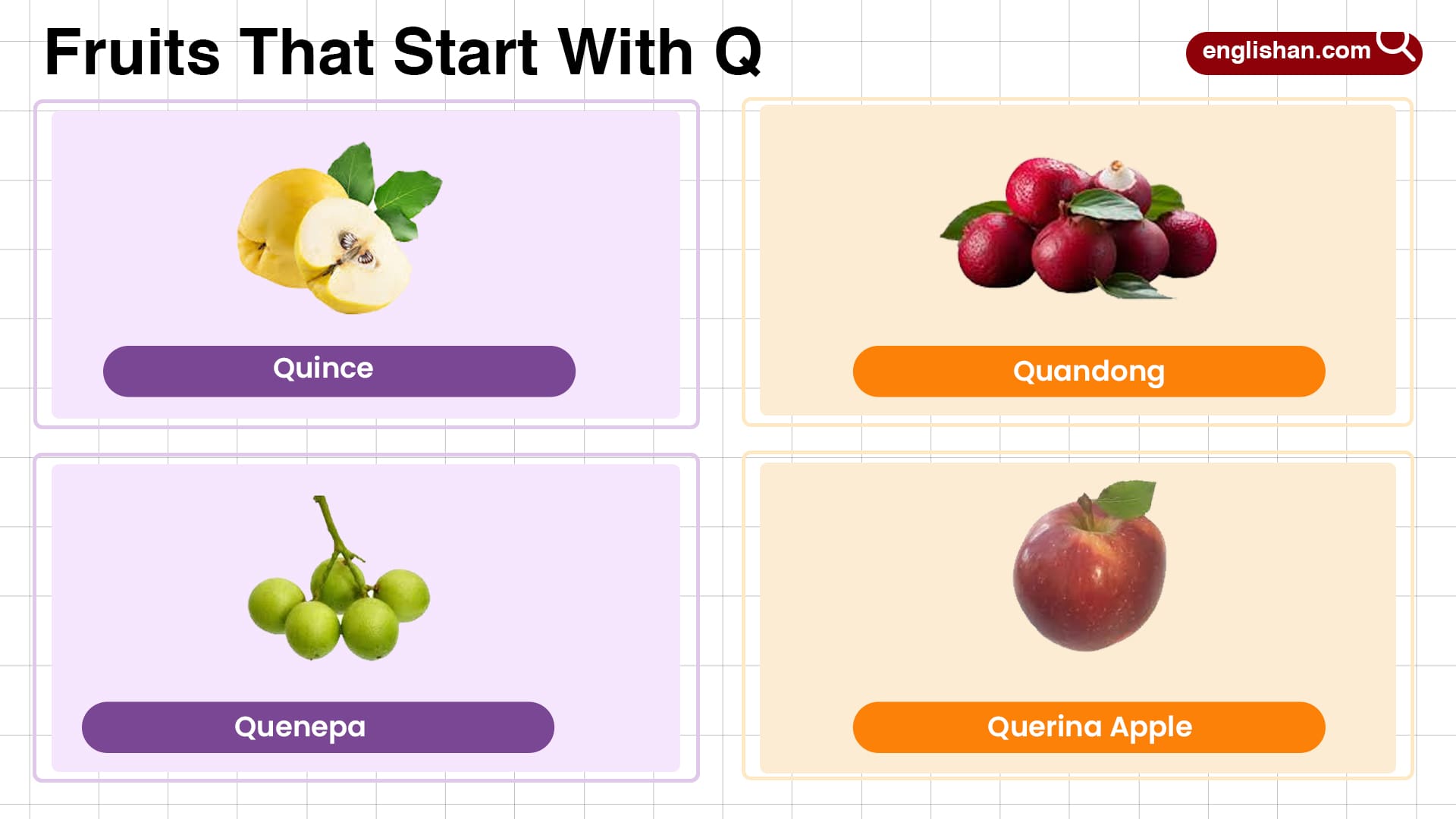
Unveiling the Enigmatic "Q" Fruits: A Journey Beyond the Ordinary
When pondering the vast and colourful world of fruits, it's common to breeze through the alphabet, finding familiar favourites from A to Z. However, a slight pause often occurs at the letter "Q." Many believe there are no fruits that start with q, or at best, only one obscure example. This perception, while understandable given their rarity in mainstream markets, belies a fascinating truth: a select few unique and often exotic fruits proudly bear the "Q" initial. These aren't just mere curiosities; they represent unique flavours, rich histories, and untapped culinary potential waiting to be discovered.
This article embarks on an exciting expedition to uncover these elusive "Q" fruits, delving into their origins, characteristics, nutritional value, and how they might just surprise your palate. Prepare to expand your fruit vocabulary and perhaps even inspire a quest for these extraordinary edibles!
The Quintessential Quince: Aromatic and Ancient
Foremost among the legitimate fruits that start with q is the Quince (Cydonia oblonga). This ancient fruit, a close relative of apples and pears, boasts a history stretching back thousands of years, predating even the apple in cultivation. Often mistaken for a misshapen pear, the quince stands alone with its distinct properties.
What is a Quince?
- Appearance: Quince fruits are typically bright golden-yellow when ripe, with a somewhat fuzzy exterior similar to a peach. Their shape can range from apple-like to pear-like, often irregular.
- Texture & Taste: Unlike most modern fruits, raw quince is incredibly hard, tart, and astringent, making it generally unpalatable straight off the tree. However, cooking transforms it magically. Heat breaks down its tough flesh, mellowing its tartness and intensifying its floral, honeyed aroma and flavour. The cooked flesh turns a beautiful reddish-pink hue.
- Origin & History: Native to the Caucuses, Iran, and parts of Turkey, quince has been revered since antiquity. It was a symbol of love and fertility in ancient Greece and Rome, often associated with Aphrodite.
- Culinary Uses: Quince is a chef's delight, primarily used in preserves, jellies, compotes, and baked goods. Its high pectin content makes it ideal for setting jams, creating the famously firm Spanish "membrillo" (quince paste), a traditional accompaniment to cheese. It also shines in savoury dishes, roasted alongside meats or incorporated into stews, where its unique perfume adds depth.
- Nutritional Profile: Quince is rich in dietary fiber, Vitamin C, and antioxidants. It contains powerful phenolic compounds that contribute to its health benefits, including anti-inflammatory properties and digestive support.
Tip for Enjoyment: Don't be intimidated by raw quince's toughness. Embrace the cooking process! Peel, core, and chop quince before simmering it gently with a little water, sugar, and perhaps a spice like star anise or cinnamon. This simple preparation unlocks its incredible flavour and aroma.
Beyond Quince: Exploring Rarer "Q" Delights
While quince holds the crown for the most recognized "Q" fruit, the world offers a few other intriguing contenders, though they are often less globally available or are specific varieties rather than entirely new fruit types. It's important to differentiate these to avoid confusion.
Quandong (Native Peach): Australia's Bush Tucker Gem
Venturing to the Australian outback, we discover the Quandong (Santalum acuminatum), often referred to as the "native peach." This fascinating fruit is an integral part of Aboriginal bush tucker and a true Australian superfood.
- Appearance: Quandongs are small, vibrant red fruits, about 2-3 cm in diameter, with a shiny skin and a single large kernel.
- Texture & Taste: They possess a distinct flavour profile – a unique blend of sweet, tart, and slightly savoury notes, sometimes likened to a mix of peach, apricot, and rhubarb with a hint of citrus. The flesh is dry and firm.
- Origin & Habitat: Native to arid and semi-arid regions of Australia, quandongs are highly drought-resistant, thriving in challenging environments.
- Culinary Uses: Traditionally eaten fresh, quandongs are also dried, used in jams, pies, sauces, and chutneys. Their tartness makes them excellent in desserts and as a flavour enhancer in various dishes. The kernels are also edible and nutritious.
- Nutritional Profile: Quandongs are packed with Vitamin C (twice that of an orange!), Vitamin E, folate, iron, magnesium, and calcium. They also contain powerful antioxidants and boast impressive anti-inflammatory properties.
For more intriguing discoveries about the world of unique produce, delve into fruits that start with q - Article 2.
Quito Fruit (Naranjilla): The Golden Fruit of the Andes
Known as Naranjilla in its native Spanish-speaking regions, the Quito Fruit (Solanum quitoense) is a tropical berry from South America that might just qualify as a "Q" fruit based on its common English descriptor.
- Appearance: This fruit is roughly the size of a small tomato or large plum, with a fuzzy orange-yellow skin that is quite delicate.
- Texture & Taste: Inside, it holds a vibrant green, jelly-like pulp filled with small, edible seeds. Its flavour is often described as a unique and complex blend of citrus and pineapple, with a hint of strawberry and passion fruit – simultaneously sweet and tart, incredibly refreshing.
- Origin & Habitat: Native to the Andean regions of South America, particularly Ecuador, Colombia, and Peru, it thrives in cool, humid conditions.
- Culinary Uses: Quito fruit is most commonly consumed as a juice, where its unique flavour truly shines. It's also used in sorbets, desserts, and even fermented beverages.
- Nutritional Profile: Rich in Vitamin C, Vitamin A, B vitamins, calcium, phosphorus, and iron. It's also a good source of fiber.
Questionable "Q" Fruits: Varieties and Misconceptions
It's important to clarify that while certain fruit *varieties* might start with "Queen" or "Quatre," they are not distinct fruits that start with q themselves. For example:
- Queen Anne Cherry: This is a specific cultivar of cherry, not a new type of fruit.
- Queen Pineapple: A particular variety of pineapple known for its small size and sweet flavour.
- Quararibea cordata: Also known as the South American sapote, this is a legitimate, albeit very rare, fruit. While its scientific name starts with 'Q', it's not commonly referred to as a "Q" fruit in everyday language. Its fruit is often described as having a sweet, melon-like flavour.
Understanding these distinctions helps focus on truly unique "Q" fruits.
Why Are "Q" Fruits So Uncommon?
The scarcity of widely known fruits that start with q isn't arbitrary. Several factors contribute to their rarity in global markets:
- Geographic Specificity: Many "Q" fruits, like Quandong and Quito Fruit, are indigenous to specific regions and haven't been widely cultivated or exported due to climate limitations or lack of commercial interest.
- Culinary Preparation: Fruits like quince require cooking to be palatable, which makes them less appealing for immediate consumption compared to grab-and-go options like apples or bananas. This limits their market appeal.
- Yield and Shelf Life: Some rare fruits may have lower yields or shorter shelf lives, making them less viable for large-scale commercial farming and long-distance transport.
- Pronunciation and Marketing: The letter "Q" itself is less common in many languages, and perhaps fruits starting with it haven't received the same marketing push or cultural integration as more phonetically common names.
This rarity, however, adds to their allure, making them prized discoveries for adventurous foodies and culinary enthusiasts.
Incorporating Unique Fruits into Your Diet
Exploring fruits like quince, quandong, or quito fruit can be a rewarding experience, broadening your palate and introducing you to new nutritional benefits. If you're fascinated by rare and unusual produce, continue your journey with fruits that start with q - Article 3.
Practical Tips for Exploration:
- Seek Out Specialty Markets: Asian, Middle Eastern, and Latin American grocery stores are often excellent places to find uncommon produce like quince or, occasionally, frozen quito fruit pulp.
- Farmers' Markets: Local farmers' markets, especially in regions where quince is traditionally grown, might offer fresh quince during autumn.
- Online Retailers: A growing number of online stores specialize in exotic fruits and rare produce, often shipping directly to your door.
- Be Adventurous in the Kitchen: Don't be afraid to experiment. Look up traditional recipes from the fruits' native regions to truly appreciate their authentic uses.
- Health Benefits of Diversity: Incorporating a wide variety of fruits into your diet ensures you get a broader spectrum of vitamins, minerals, and antioxidants, contributing to overall well-being.
Conclusion
The quest for fruits that start with q might initially seem daunting, but it quickly reveals a delightful array of unique and flavourful options. From the aromatic and ancient quince, cherished for its transformative properties in cooking, to the vibrant quandong of Australia and the tangy quito fruit of the Andes, these "Q" fruits are far from mythical. They offer a testament to the incredible diversity of nature and the endless possibilities for culinary exploration. So, the next time you find yourself pondering the alphabet of fruits, remember the intriguing "Q" and consider embarking on your own flavour adventure.
